

History in the making: A landmark day for EU-Mercosur relations
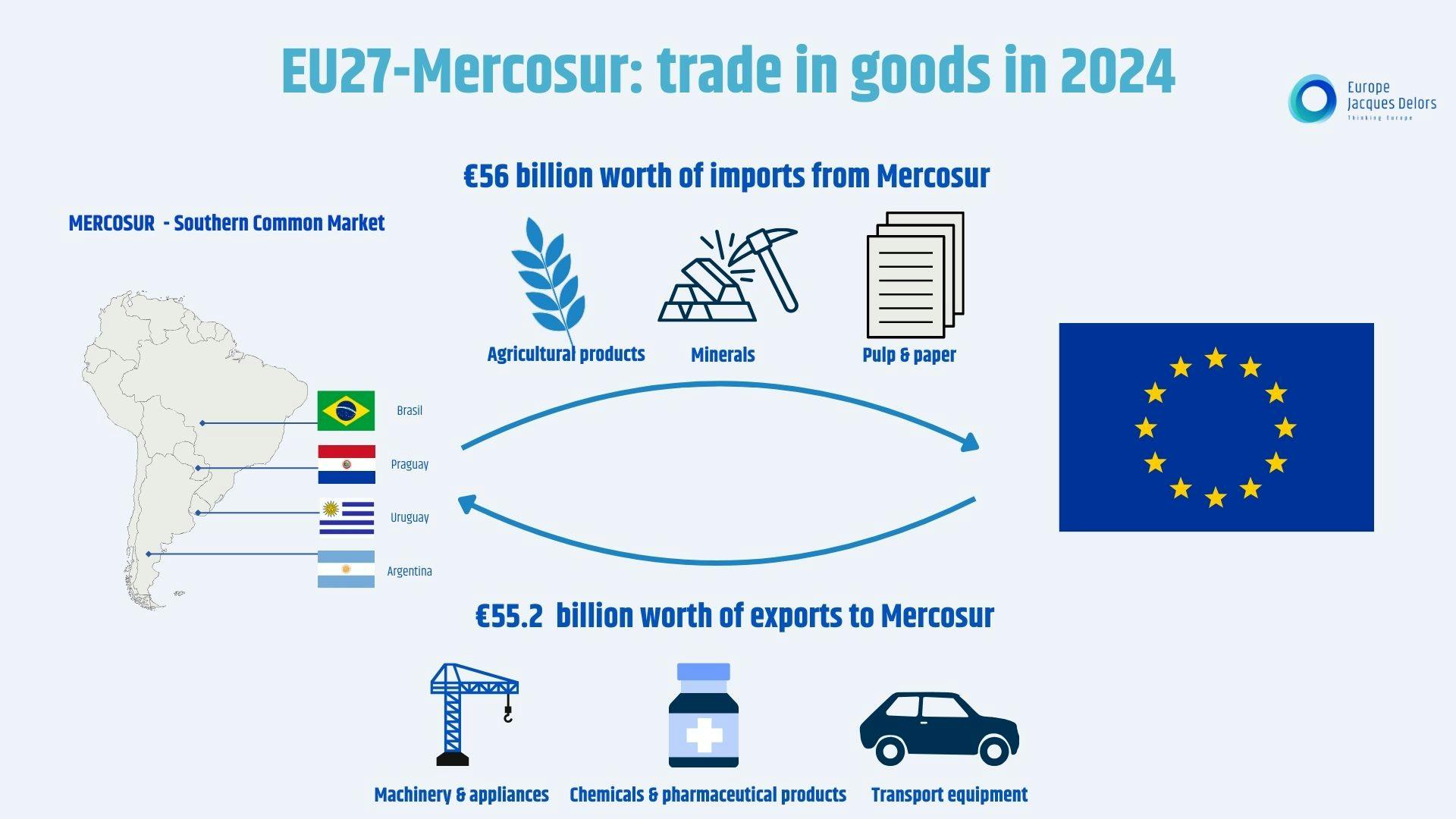
Today, EU leaders have given their greenlight to the EU-Mercosur agreement after more than two decades of on-and-off negotiations. The EU’s free trade deal with South America’s Mercosur block – Brazil, Argentina, Paraguay and Uruguay- establishes the largest interregional free-trade area in history, connecting over 780 million people and covering €111 billion in annual trade, and will progressively eliminate tariffs on around 91% of goods traded between the two blocs.
In today’s decisive vote in the European Council, the deal was approved by a qualified majority (15 of the EU's 27 countries representing 65 per cent of the EU’s population) with France, Ireland, Poland, Austria and Hungary voting against it. The European Commission won the crucial support of Italy – whose vote proved to be decisive in getting the agreement over the finish line - by proposing an additional 45 billion EUR under the post-2027 Common Agricultural Policy to support farmers. As a next step, the free trade agreement still has to be approved by the European Parliament where a majority at this stage seems ready to give its green light. Commission President Ursula von der Leyen is expected to fly to Paraguay to sign the accord as early as next week.
Why does it matter from a geopolitical and geoeconomic perspective?
Rules-based trade liberalisation: Against the backdrop of global trade uncertainty fuelled by US tariffs and an increasingly tense geopolitical context, this partnership is a welcome opportunity for the EU to foster long-term, mutually beneficial relationships with Latin America and simultaneously prevent strong dependencies on Chinese and American markets. With European companies being able to secure a "first-mover advantage" in a market where Mercosur countries have few other major free trade agreements, the agreement allows the EU to assert strategic autonomy, diversify its supply chains and reduce dependencies on less reliable partners. Cooperation under the EU-Mercosur accord demonstrates both bloc’s commitments to safeguard multilateralism, especially amid growing protectionism, trade wars, and geopolitical fragmentation.
What does it mean for the EU’s agricultural sector?
EU agri-food exports to Mercosur are expected to grow by almost 50%, with the deal aimed at reducing high tariffs on essential EU agri-food products such as wine and spirits (up to 35%), chocolate (20%), and olive oil (10%).
Concerns about European agriculture being threatened by Mercosur’s low-cost products - and especially the perceived negative impact on the EU’s beef market – are largely exaggerated (see the Commission’s economic analysis of the negotiated outcome of the EU-Mercosur partnership agreement). Sensitive agricultural products like beef, poultry and sugar are managed through Tariff Rate Quotas (TRQs), measures designed to protect EU producers from external competition by setting limits on the quantity of Mercosur imports which benefit from low tariff rates. The impact of additional beef imports from Mercosur countries on producer prices in the EU is thus limited. For instance, the agreement will allow 99,000 tonnes of Mercosur beef to enter the EU market with tariffs reduced to 7.5%, which would represent 1.5% of total European production and less than half of the 206,000 tonnes currently imported from the region.
In addition, a €6.3 billion "Unity Safety Net" and 21-day safeguard clauses are in place to ensure farmers are not undercut by unfair competition and allowing the EU to temporarily suspend tariff preferences on agricultural imports from Mercosur if these imports harm EU producers. Moreover, the EU plans to enhance monitoring systems to ensure equal production standards and prevent any risk of harm to EU producers.
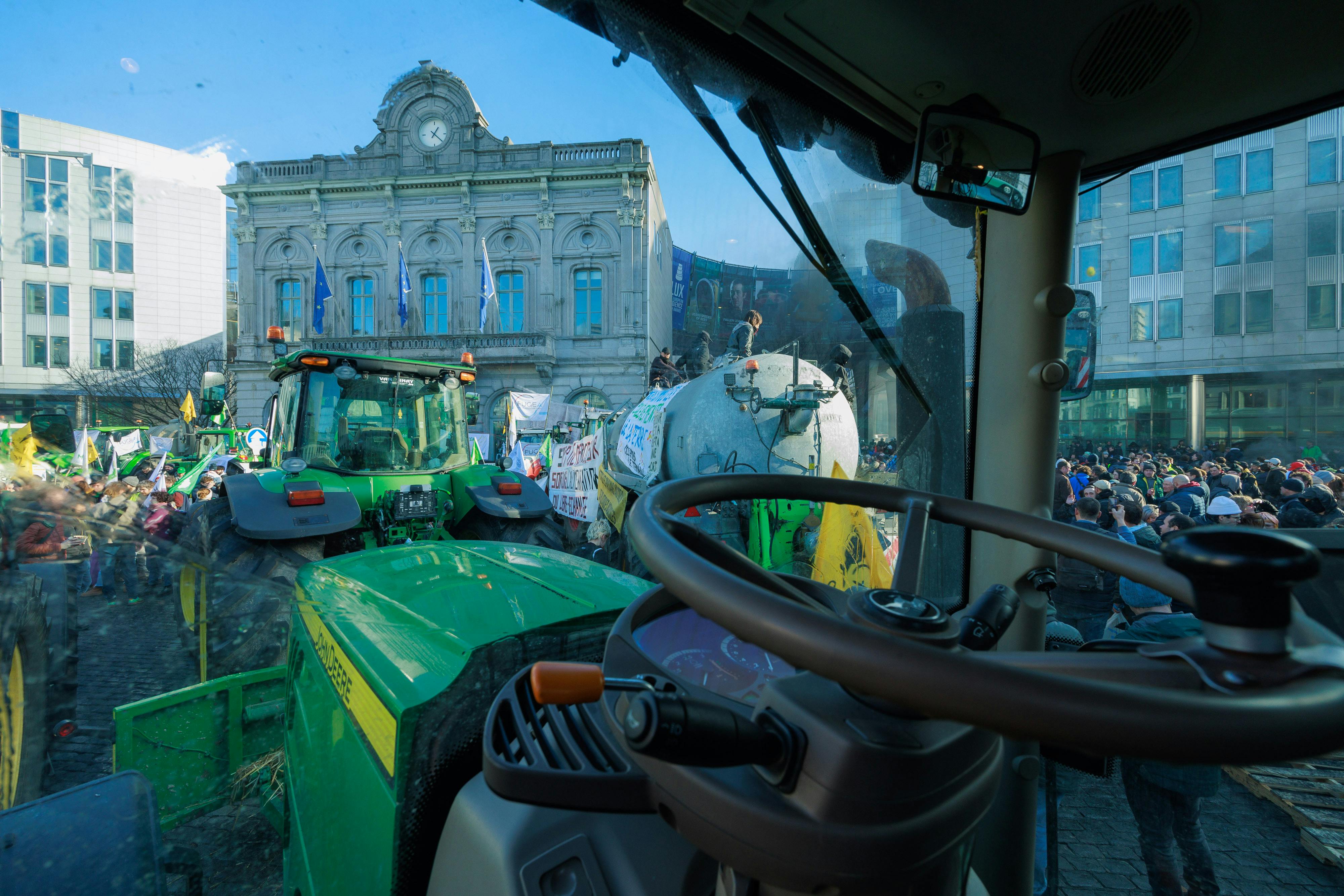
For several years now, the EU-Mercosur agreement has been a source of great concern among farmers and sparked large-scale protests across the EU. While EU farmers fear unfair trading practices and are concerned that a potential influx of cheap agricultural imports produced under the more relaxed environmental and agricultural standards of Mercosur countries will put them under too much pressure, these protests are not only about a free trade agreement but instead echo issues that are far more complex, cross-cutting and systemic: farmers have been increasingly faced with falling incomes and high input prices, unfair competition and weakened bargaining power, climate change impacts like drought and floods, an aging population and job losses.
What about environmental and sanitary concerns?
Concerns over potentially providing incentives for deforestation in the Amazon, as well as the import of Mercosur products subject to animal health and food safety standards less stringent than those of the EU, are valid. While the Paris Climate Agreement is included as an essential element of the agreement, allowing for the suspension of the deal in case of serious breach or withdrawal, the environmental clauses are too weak, vague or non-binding. At the same time, the EU’s commitment to turning the Paris Agreement into an essential part of the deal represents a significant step towards better aligning environmental and trade objectives in Free Trade Agreements – even if there is room for improvement. What is needed are proper EU control systems to trace the origin of goods and ensure compliance with EU environmental and health regulations.