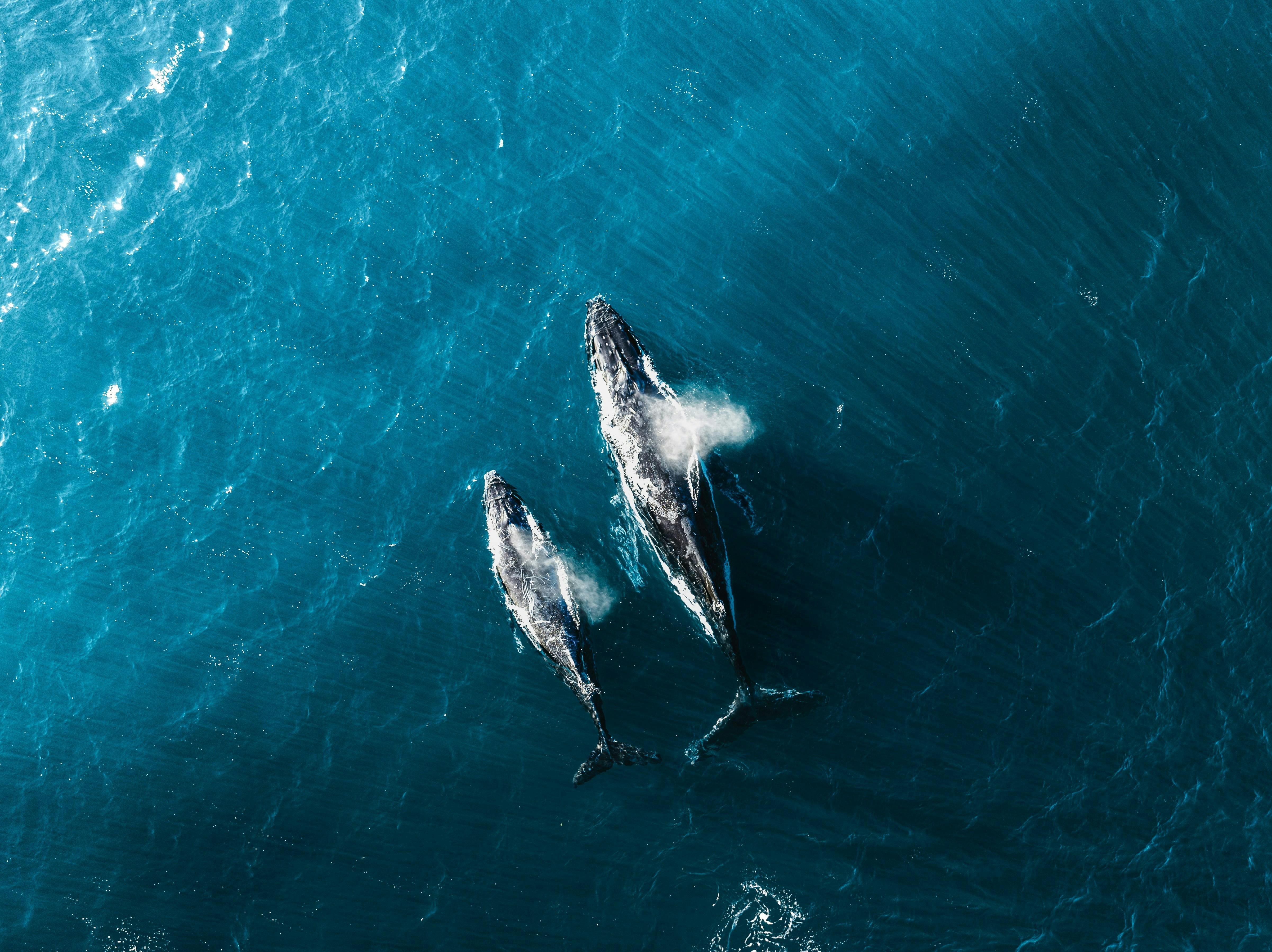

Protecting the Ocean, Securing the Seas
Description
The European Union, historically a maritime power dependent on the sea for 75% of its external trade and 99% of global data flows, faces growing infrastructure vulnerabilities due to hybrid threats, the militarisation of sea basins, and the proliferation of illicit shadow fleets. This policy brief analyses the strategic and conceptual evolution of EU maritime security over the past two decades and traces how, within that framework, marine protection issues have been progressively integrated. A foundational milestone occurred with the 2007 Integrated Maritime Policy (IMP), which introduced a cross-sectoral governance model by establishing that security, environmental sustainability, and economic development are mutually reinforcing elements. Although the security-environment link was only implicit at that stage, it paved the way for the explicit climate-security nexus formalised in the 2023 update of the EU Maritime Security Strategy (EUMSS). This updated framework recognises that ecological degradation acts as a potent threat multiplier, exacerbating geopolitical frictions and operational challenges across diverse sea basins, notably exemplified by volatile dynamics in the Black Sea and the changing landscape of the Arctic. However, within this expanding maritime security context, marine protection continues to be a dimension subordinated to strict military and hard security priorities. This structural imbalance persists despite major advancements in technological capabilities and cross-sectoral interoperability, such as multipurpose surveillance and data sharing achieved between the European Maritime Safety Agency (EMSA), Frontex, and the European Fisheries Control Agency (EFCA). Looking ahead, the upcoming proposal for the Ocean Act in late 2026 represents a critical opportunity to bridge these remaining gaps. It provides a vital legal and governance window to transition from simple operational data-sharing to true policy integration, paving the way for a holistic European maritime security architecture that anchors ecological integrity as a core pillar of geopolitical resilience and strategic autonomy.